



DPP-4
Dipeptidyl peptidase-4 (DPP-4), also known as CD26, is a membrane-associated and soluble serine exopeptidase that cleaves peptides containing alanine or proline at the penultimate N-terminal position, thereby regulating the biological activity of multiple peptide hormones and signaling molecules[1][2]. Mechanistically, DPP-4 is a key regulator of the incretin pathway because it rapidly degrades the active forms of glucagon-like peptide-1 (GLP-1) and glucose-dependent insulinotropic polypeptide (GIP), generating truncated products with markedly reduced biological activity and limiting incretin-mediated glucose control[3][4][5]. Through this enzymatic process, DPP-4 influences insulin secretion, glucagon regulation, and systemic glucose homeostasis, making it a central component of metabolic signaling networks relevant to type 2 diabetes mellitus (T2DM) and related metabolic disorders[4][6][7]. In disease contexts, elevated DPP-4 activity has been associated with insulin resistance, inflammation, obesity, and T2DM, supporting its use as a mechanistic target and biomarker in metabolic research models[2]. Compared with related members of the dipeptidyl peptidase family, DPP-4 is distinguished by its well-characterized role in incretin degradation and its dual function as both an enzymatic regulator and a cell-surface signaling molecule, which contributes to its broad physiological relevance[1][2]. For experimental applications, selective DPP-4 inhibitors are widely used to prolong endogenous GLP-1 and GIP activity, enhance glucose-dependent insulin secretion, and improve glycemic control, providing robust pharmacological tools for investigating incretin biology and metabolic disease mechanisms[6][7][8].
References:
- [1]. Huang P K, Lin S R, Chang C H, et al. Natural phenolic compounds potentiate hypoglycemia via inhibition of Dipeptidyl peptidase IV[J]. Scientific Reports, 2019, 9(1): 15585.
- [2]. Pechmann LM, et al. The multiple actions of dipeptidyl peptidase 4 (DPP-4) and its pharmacological inhibition on bone metabolism: a review. Diabetol Metab Syndr. 2024 Jul 25;16(1):175. [Content Brief]
- [3]. Kieffer TJ, et al. Degradation of glucose-dependent insulinotropic polypeptide and truncated glucagon-like peptide 1 in vitro and in vivo by dipeptidyl peptidase IV. Endocrinology. 1995 Aug;136(8):3585-96. [Content Brief]
- [4]. Müller TD, et al. Glucagon-like peptide 1 (GLP-1). Mol Metab. 2019 Dec;30:72-130. [Content Brief]
- [5]. Zheng Z, et al. Glucagon-like peptide-1 receptor: mechanisms and advances in therapy. Signal Transduct Target Ther. 2024 Sep 18;9(1):234. [Content Brief]
- [6]. Ahren B. DPP-4 inhibitors[J]. Best Practice & Research Clinical Endocrinology & Metabolism, 2007, 21(4): 517-533.
- [7]. Deacon C F. Peptide degradation and the role of DPP-4 inhibitors in the treatment of type 2 diabetes[J]. Peptides, 2018, 100: 150-157.
- [8]. Dalle S, Burcelin R, Gourdy P. Specific actions of GLP-1 receptor agonists and DPP4 inhibitors for the treatment of pancreatic 尾-cell impairments in type 2 diabetes[J]. Cellular signalling, 2013, 25(2): 570-579.
All Product Categories
-
DPP-4 Related Products (106)
Related Products (106)

-
Sitagliptin
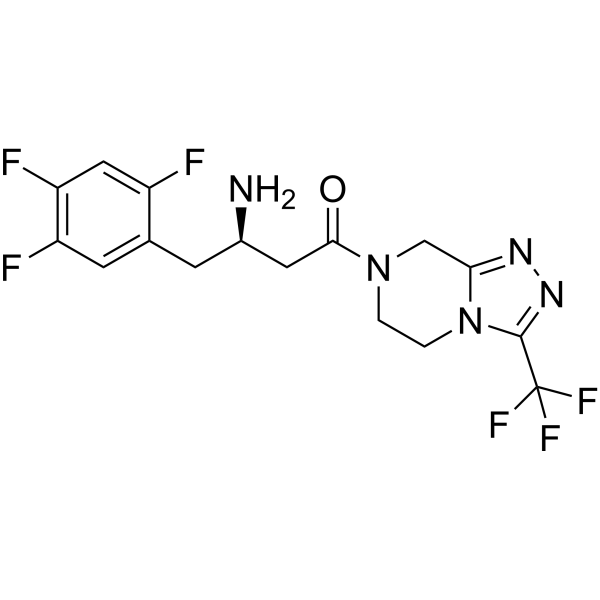 0 ImagesSynonyms: MK-0431Sitagliptin (MK-0431) is an orally active and highly selective DPP4 inhibitor with an IC50 value of 19 nM. Sitagliptin blocks the degradation of glucagon-like peptide-1 (GLP-1) and glucose-dependent insulinotropic peptide (GIP) by competing inhibition mechanism (Kᵢ = 1 nM), thereby increasing the level of active incretin. Sitagliptin can also directly stimulate the secretion of GLP-1 by intestinal L cells by activating the cAMP/PKA and ERK1/2 pathways, and this effect is independent of DPP-4. Sitagliptin shows protective effects on pancreatic islet grafts in 1-type diabetes models. Sitagliptin can be used for the study of 1-type and 2-type diabetes.
-
Talabostat mesylate
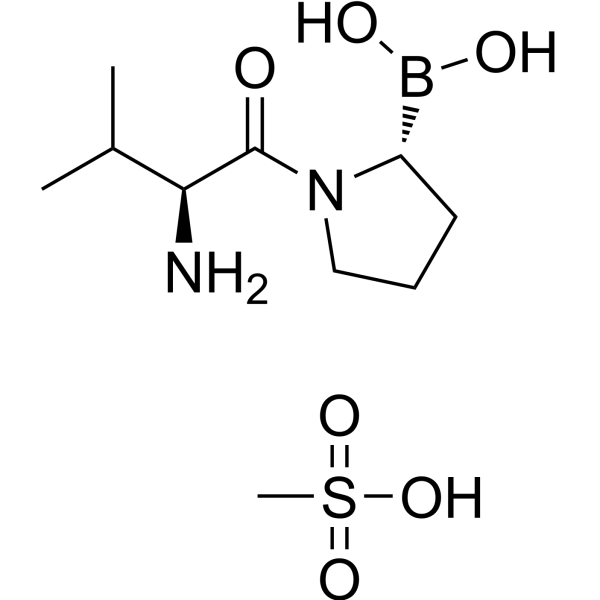 0 ImagesSynonyms: Val-boroPro mesylate; PT100 mesylateTalabostat mesylate (Val-boroPro mesylate; PT100 mesylate) is an orally active and nonselective dipeptidyl peptidase IV (DPP-IV) inhibitor (IC50 < 4 nM; Ki = 0.18 nM) and the inhibitor of fibroblast activation protein (FAP) (IC50 = 560 nM), inhibits DPP8/9 (IC50 = 4/11 nM; Ki = 1.5/0.76 nM), quiescent cell proline dipeptidase (QPP) (IC50 = 310 nM), DPP2, and some other DASH family enzymes. Antineoplastic and hematopoiesis- stimulating activities.
-
Diprotin A
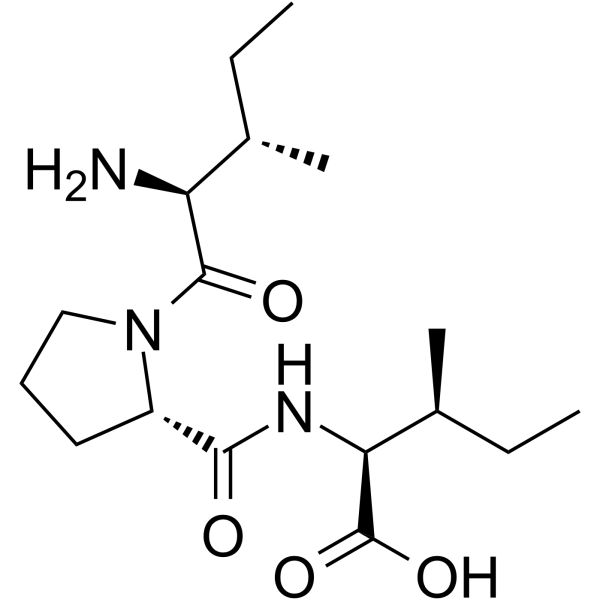 0 ImagesSynonyms: Ile-Pro-IleDiprotin A (Ile-Pro-Ile) is an inhibitor of dipeptidyl peptidase IV (DPP-IV).
-
Sitagliptin phosphate
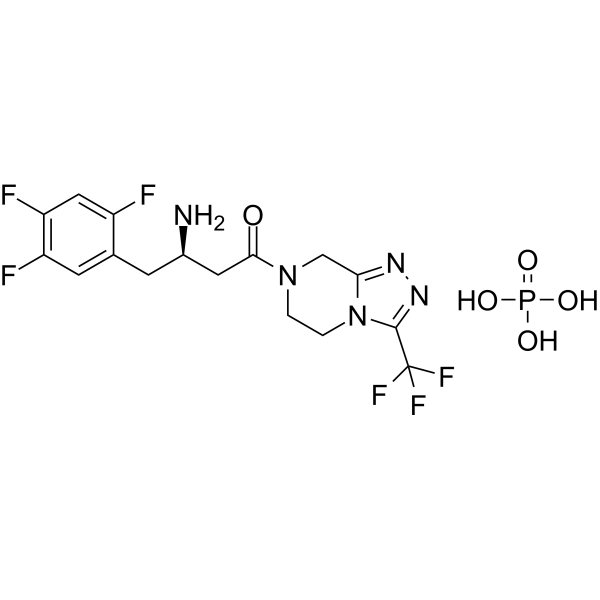 0 ImagesSynonyms: MK-0431 phosphateSitagliptin (MK-0431) phosphate is an orally active and highly selective DPP4 inhibitor with an IC50 value of 19 nM. Sitagliptin phosphate blocks the degradation of glucagon-like peptide-1 (GLP-1) and glucose-dependent insulinotropic peptide (GIP) by competing inhibition mechanism (Kᵢ = 1 nM), thereby increasing the level of active incretin. Sitagliptin phosphate can also directly stimulate the secretion of GLP-1 by intestinal L cells by activating the cAMP/PKA and ERK1/2 pathways, and this effect is independent of DPP-4. Sitagliptin phosphate shows protective effects on pancreatic islet grafts in 1-type diabetes models. Sitagliptin phosphate can be used for the study of 1-type and 2-type diabetes.
-
Teneligliptin hydrobromide
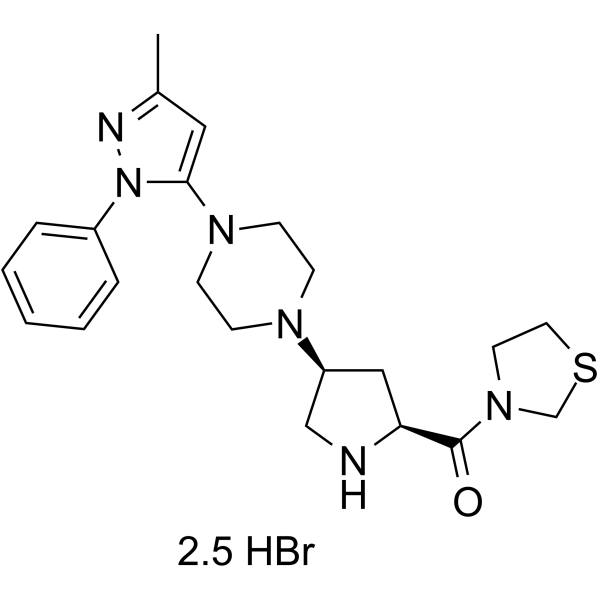 0 ImagesSynonyms: MP-513 hydrobromideTeneligliptin (MP-513) hydrobromide is an orally active and selective dipeptidyl peptidase 4 (DPP-4) inhibitor (IC50s: 0.37 and 0.29 nM for the human and rat DPP-4, respectively). Teneligliptin hydrobromide improves blood glucose levels and can be used in researches related to type 2 diabetes mellitus.
-
γ-Glu-Tyr
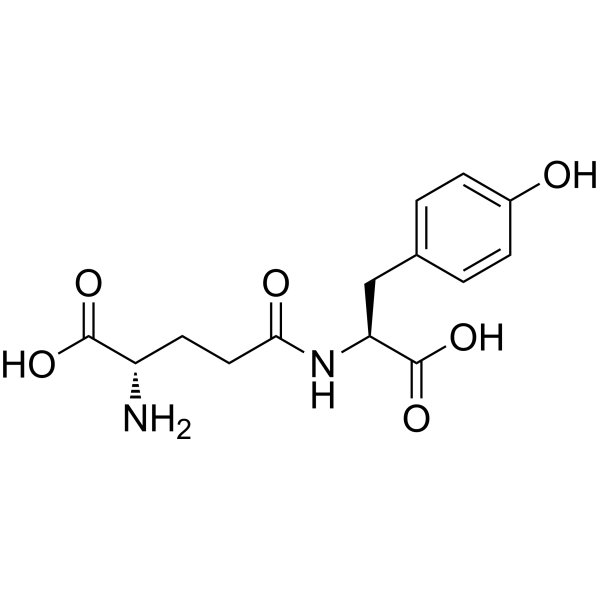 0 Imagesγ-Glu-Tyr is an orally active gut microbiota-derived metabolite and a competitive DPP-IV inhibitor with an IC50 of 6.77 mM against hDPP-IV. γ-Glu-Tyr weakly activates hCaSR. γ-Glu-Tyr decreases colonic pro-inflammatory cytokine (IL-6, IL-1β, TNF-α) levels. γ-Glu-Tyr activates the cAMP/PKA signaling pathway and inhibits NF-κB phosphorylation, thereby reducing inflammatory responses. γ-Glu-Tyr can be used for research on type 2 diabetes and ulcerative colitis.
-
Vildagliptin
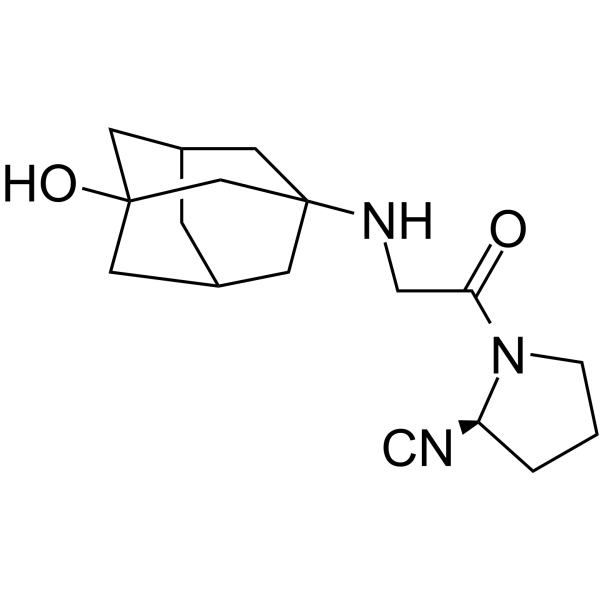 0 ImagesSynonyms: LAF237; NVP-LAF 237Vildagliptin (LAF237) is a potent, stable, selective dipeptidyl peptidase IV (DPP-IV) inhibitor with an IC50 of 3.5 nM in human Caco-2 cells. Vildagliptin possesses excellent oral bioavailability and potent antihyperglycemic activity.
-
Saxagliptin
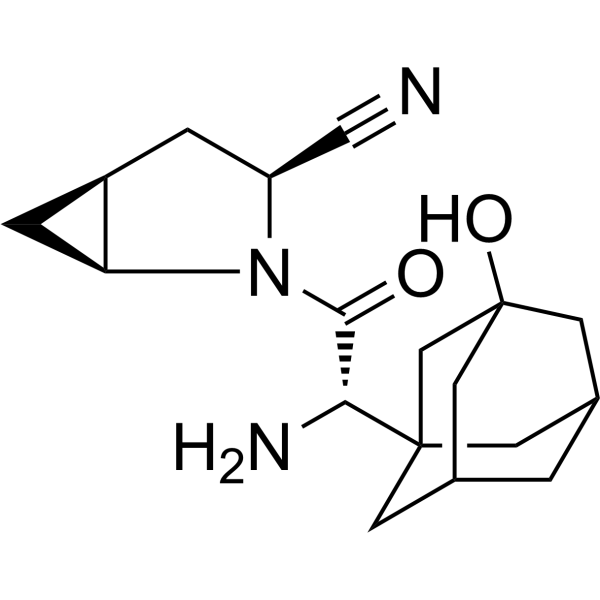 0 ImagesSynonyms: BMS-477118Saxagliptin (BMS-477118) is a potent, selective, reversible, competitive and orally active dipeptidyl peptidase-4 (DPP-4) (Ki = 0.6-1.3 nM) inhibitor. Saxagliptin has the peotential for type 2 diabetes mellitus research.
-
1G244
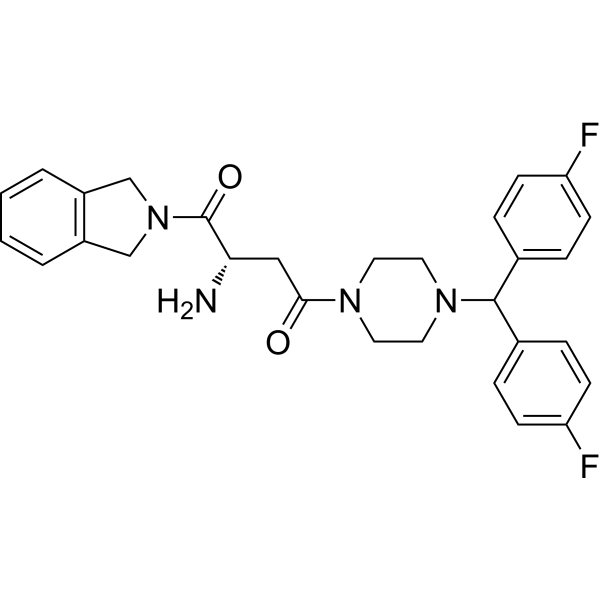 0 Images1G244 is a potent DPP8/9 inhibitor with IC50s of 12 nM and 84 nM, respectively. 1G244 does not inhibit DPPIV and DPPII. 1G244 induces apoptosis in multiple myeloma cells and has anti-myeloma effects.
-
Alogliptin
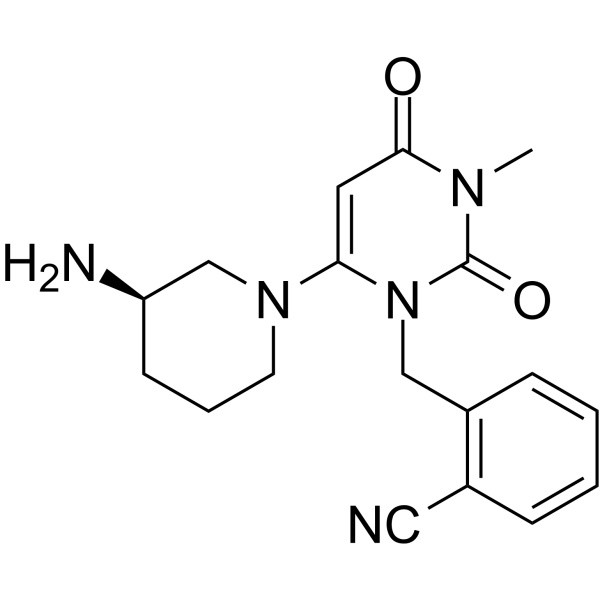 0 ImagesSynonyms: SYR-322 free baseAlogliptin (SYR-322 free base) is a potent, selective and orally active inhibitor of DPP-4 with an IC50 of <10 nM, and exhibits greater than 10,000-fold selectivity over DPP-8 and DPP-9. Alogliptin can be used for the research of type 2 diabetes.
-
Teneligliptin
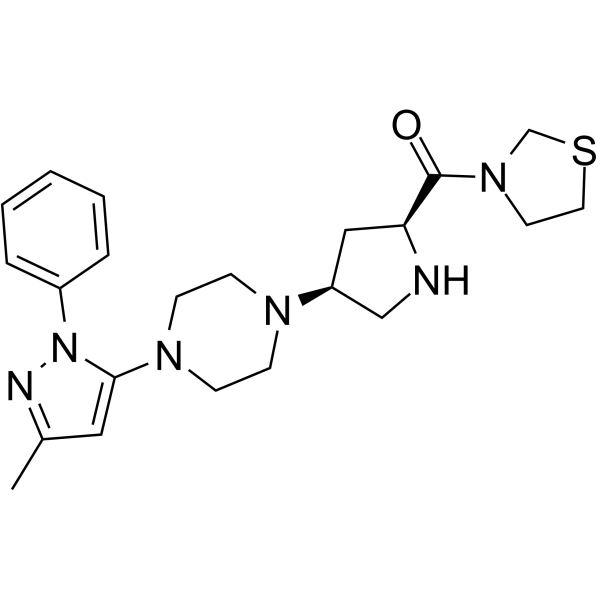 0 ImagesSynonyms: MP-513Teneligliptin (MP-513) hydrobromide hydrate is an orally active and selective dipeptidyl peptidase 4 (DPP-4) inhibitor (IC50s: 0.37 and 0.29 nM for the human and rat DPP-4, respectively). Teneligliptin hydrobromide hydrate improves blood glucose levels and can be used in researches related to type 2 diabetes mellitus.
-
Omarigliptin
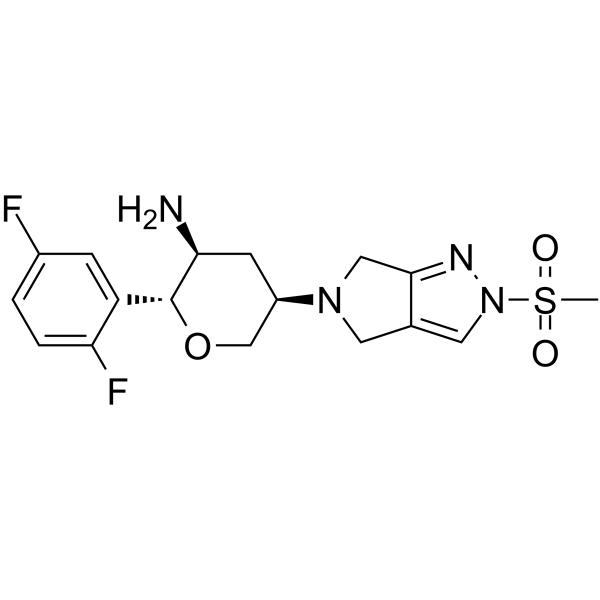 0 ImagesSynonyms: MK-3102Omarigliptin (MK-3102) is a potent, selective, orally active and cross the blood-brain barrier dipeptidyl peptidase 4 (DPP-4) inhibitor. Omarigliptin shows anti-parkinsonian activity. Omarigliptin has the neuroprotective effect to improve diabetes-associated cognitive dysfunction.
-
Trelagliptin
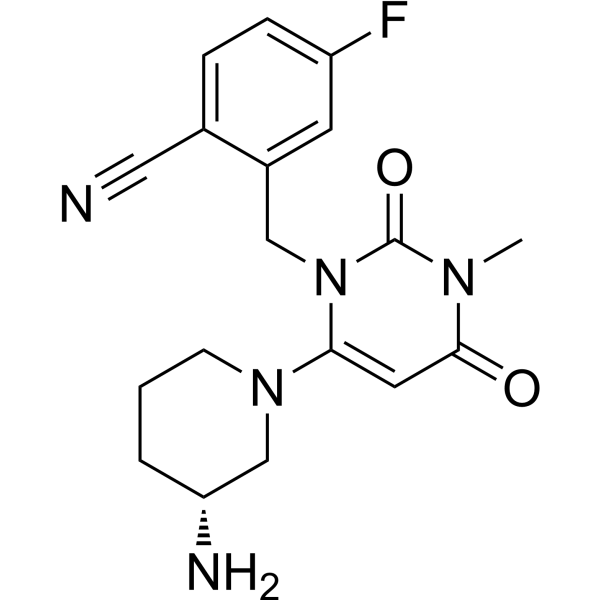 0 ImagesSynonyms: SYR-472Trelagliptin (SYR-472) is a potent, orally active and highly selective DPP-4 inhibitor with an IC50 of 4 nM. Trelagliptin succinate improves glycemic control in vivo and can be used for the study of type 2 diabetes mellitus (T2DM).
-
Sitagliptin phosphate monohydrate
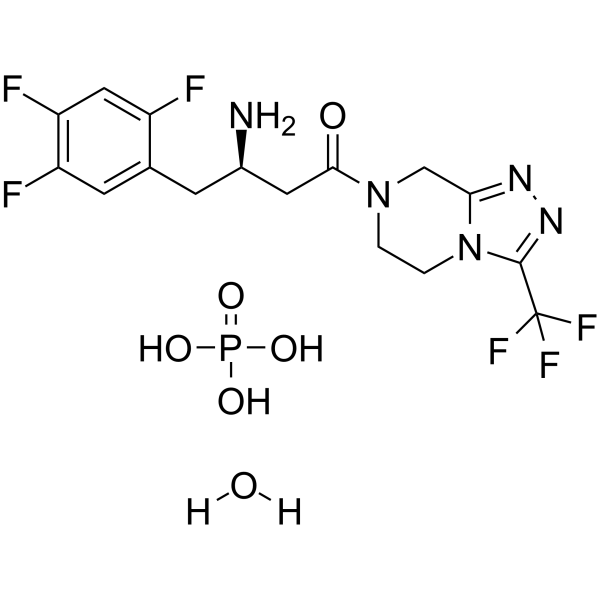 0 ImagesSynonyms: MK-0431 phosphate monohydrateSitagliptin (MK-0431) phosphate monohydrate is an orally active and highly selective DPP4 inhibitor with an IC50 value of 19 nM. Sitagliptin phosphate monohydrate blocks the degradation of glucagon-like peptide-1 (GLP-1) and glucose-dependent insulinotropic peptide (GIP) by competing inhibition mechanism (Kᵢ = 1 nM), thereby increasing the level of active incretin. Sitagliptin phosphate monohydrate can also directly stimulate the secretion of GLP-1 by intestinal L cells by activating the cAMP/PKA and ERK1/2 pathways, and this effect is independent of DPP-4. Sitagliptin phosphate monohydrate shows protective effects on pancreatic islet grafts in 1-type diabetes models. Sitagliptin phosphate monohydrate can be used for the study of 1-type and 2-type diabetes.
-
Nateglinide
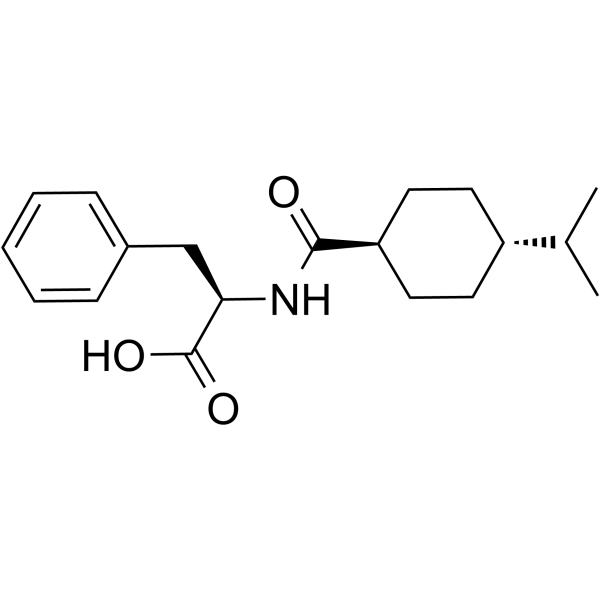 0 ImagesSynonyms: A4166; SenaglinideNateglinide, a D-phenylalanine derivative, is an orally active and short-acting insulinotropic agent and a DPP IV inhibitor. Nateglinide inhibits ATP-sensitive K+ channels in pancreatic β-cells. Nateglinide is used for the treatment of type 2 (non-insulin-dependent) diabetes mellitus.
-
Anagliptin
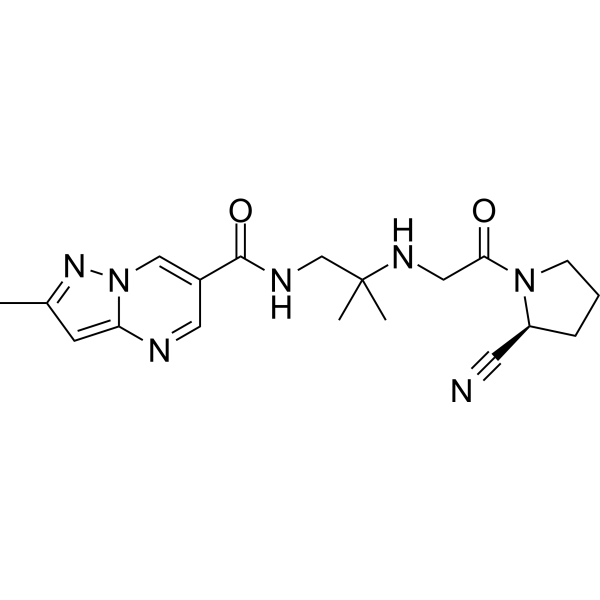 0 ImagesSynonyms: SK-0403Anagliptin (SK-0403) is a highly selective, potent, orally active inhibitor of dipeptidyl peptidase 4 (DPP-4), with an IC50 of 3.8 nM, and less selective at DPP-8 and DDP-9 with IC50s of 68 nM and 60 nM, respectively.
-
Alogliptin Benzoate
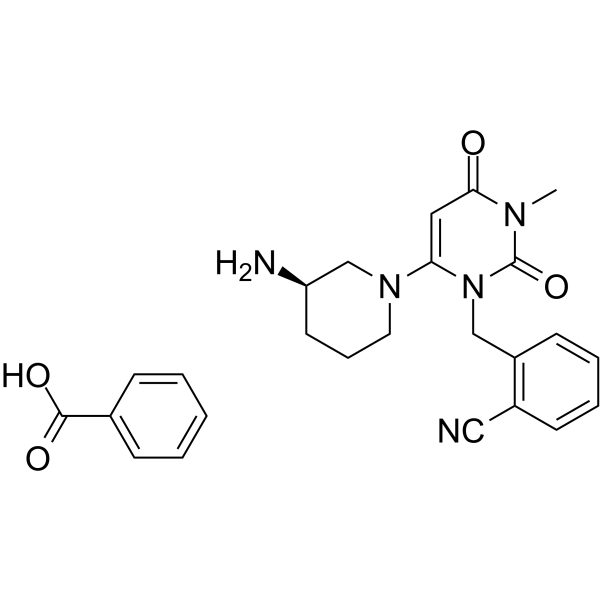 0 ImagesSynonyms: SYR 322Alogliptin Benzoate (SYR-322) is a potent, selective and orally active inhibitor of DPP-4 with an IC50 of <10 nM, and exhibits greater than 10,000-fold selectivity over DPP-8 and DPP-9. Alogliptin Benzoate can be used for the research of type 2 diabetes.
-
Trelagliptin succinate
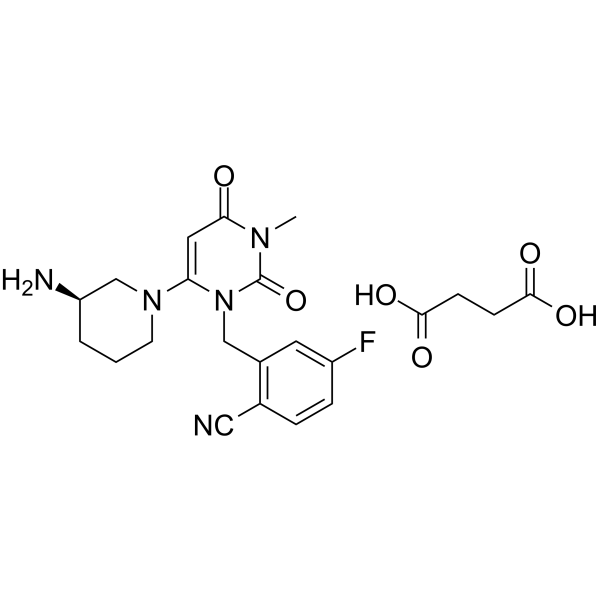 0 ImagesSynonyms: SYR-472 succinateTrelagliptin (SYR-472) succinate is a potent, orally active and highly selective DPP-4 inhibitor with an IC50 of 4 nM. Trelagliptin succinate improves glycemic control in vivo and can be used for the study of type 2 diabetes mellitus (T2DM).
-
Evogliptin tartrate
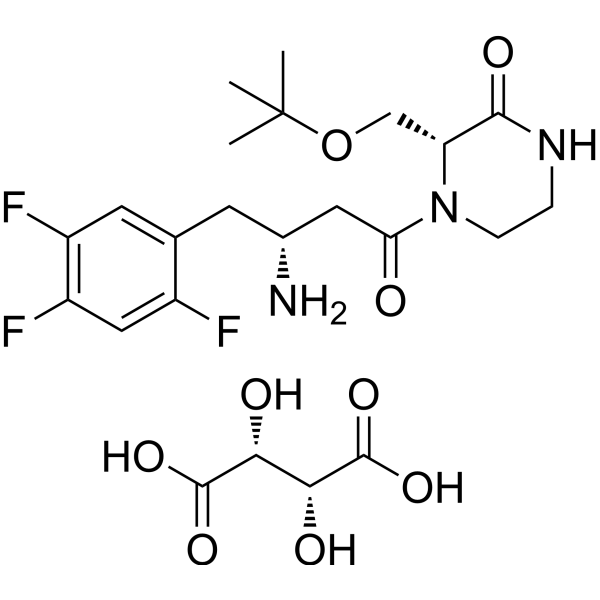 0 ImagesSynonyms: DA-1229 tartrateEvogliptin (DA-1229) tartrate is an orally active DPP4 inhibitor with significant and sustained hypoglycaemic effects in mouse models. Evogliptin tartrate also inhibits the production of inflammatory and fibrotic signals in hepatocytes by inducing autophagy. Evogliptin tartrate can be used in studies of type 2 diabetes, osteoporosis, renal impairment and chronic liver inflammation.



